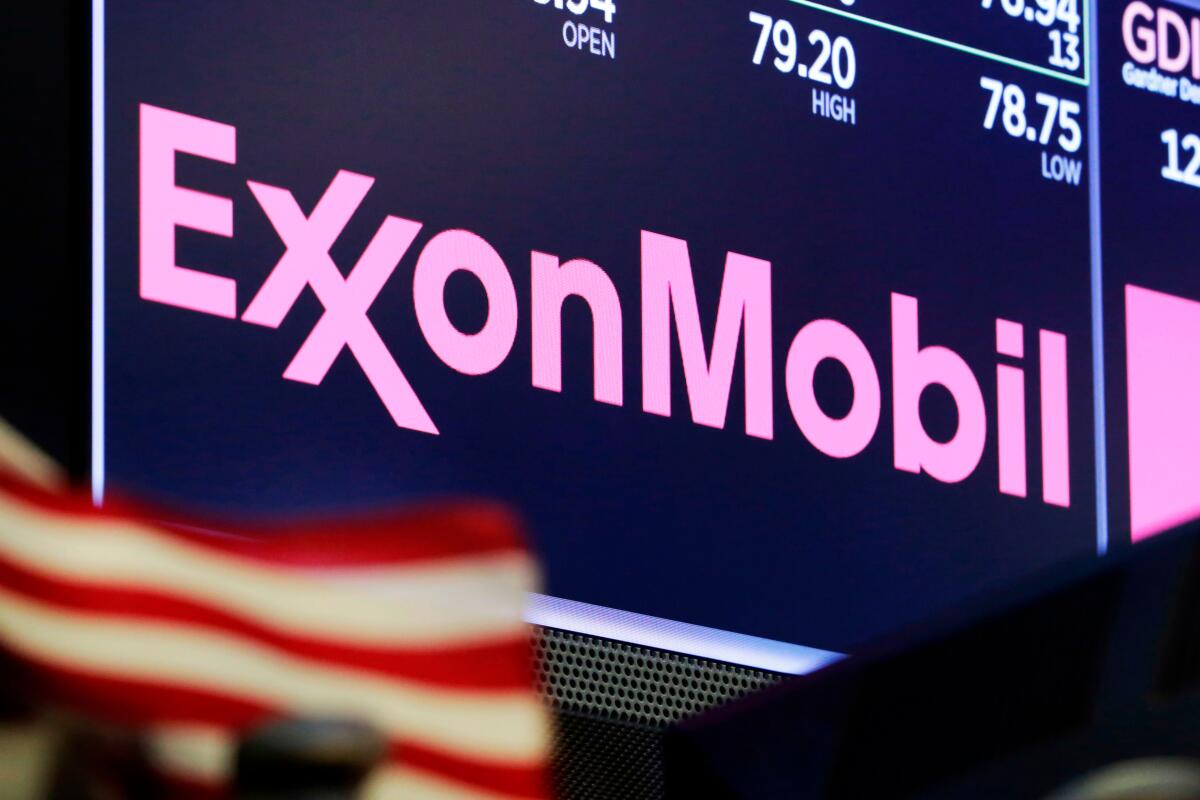
ExxonMobil's Lawsuit: An Overview of the Legal Battle
In a move that has sparked intense debate, ExxonMobil Corporation has taken the unprecedented step of suing the state of California over two recently enacted climate disclosure laws. The energy giant contends that these laws compel it to accept a narrative placing disproportionate blame on large companies for climate change, thereby infringing on its constitutional free speech rights. This legal challenge raises a host of tangled issues about the intersection of environmental accountability and corporate speech protections, setting the stage for a debate that will likely echo through legal and political corridors for years to come.
At the heart of the dispute are two pieces of legislation from 2023, Senate Bill 253 and Senate Bill 261, which impose strict reporting requirements on large corporations. ExxonMobil argues that these laws force the company to incorporate a message suggesting that its size makes it uniquely responsible for the perils of climate change. With this lawsuit, the company is effectively asking the court to prevent these laws from being enforced, at least until the legal battle reaches a resolution.
Free Speech Conflicts in Climate Reporting
The case embodies a tension that is as old as democracy itself: how to balance a state's responsibility to safeguard public information and environmental transparency with corporations' rights to free expression. ExxonMobil’s complaint is not merely a reaction to policy changes; it is a broader statement on how governmental mandates can impinge upon what many consider to be essential constitutional rights.
Critics of the laws claim that they impose an unwanted ideological framework, one that reduces nuanced scientific and operational realities to a simplistic narrative of corporate guilt. ExxonMobil’s case stresses that the legal requirements force the company to employ frameworks that unjustly single it out for criticism. This legal strategy challenges the government’s approach by highlighting what it sees as the tricky parts and twisted details that can arise when public policy begins to fight corporate speech.
Senate Bill 253 and Its Impact on Environmental Disclosures
Senate Bill 253 mandates that large businesses, including those in the oil and gas sector, disclose a broad scope of greenhouse gas emissions. What makes this law particularly significant is its requirement to account not only for direct emissions but also for indirect emissions—such as those related to employee travel and product transport—that contribute to climate change. This approach, according to ExxonMobil, attempts to force companies to accept responsibility for emissions produced worldwide simply because they are massive in scale.
The law effectively transforms corporate climate reporting into a public relations exercise that, critics argue, is fraught with problems. Mandatory reporting under this bill aims to provide transparency but may inadvertently burden large companies with data points that can exaggerate the public’s perception of their role in the climate crisis. In doing so, the law tacks on extra layers of complicated pieces and confusing bits to corporate reporting, potentially detracting from more meaningful environmental initiatives.
Senate Bill 261 and the Pressure of Financial Disclosures
The second law in question, Senate Bill 261, zeroes in on the economic risks that climate change poses to major corporations. Specifically, it requires firms generating more than $500 million annually to disclose how climate change might jeopardize their operations and earnings, along with their strategies to mitigate such risks. ExxonMobil contends that this mandate forces the company into a scenario where it is required to speculate on unpredictable future developments based on current climate models and economic predictions.
This requirement, according to the complaint, places the company in the position of having to publicly debate uncertainties that are both intimidating and nerve-racking because they project a future filled with unpredictable twists and turns. The law obliges companies to provide detailed forecasts and risk assessments that, by their very nature, involve a host of subtle details and little twists in interpretation. ExxonMobil argues that such speculations could be detrimental to its competitive stance and public image, given that the economic forecasts are essentially rooted in conjecture rather than solid fact.
A Closer Look at Free Speech and Government Mandates
The legal dispute between ExxonMobil and California is not just about regulatory compliance; it brings into sharp focus the delicate art of balancing government mandates with constitutional rights. On one side of the spectrum is the state’s assertion that these laws are necessary for ensuring environmental transparency and protecting public health. On the other side, ExxonMobil has argued that the mandated disclosures encroach on its freedom of speech by mandating a particular narrative regarding corporate responsibility.
This is a battle of interpretations—where does the line lie between transparent dissemination of environmental data and forced expression of a specific viewpoint? In the eyes of ExxonMobil, being compelled to report environmental and financial data in such a manner equates to having its free speech limited by legislative overreach. The company’s concern is that the state is not just regulating information but is, in effect, directing the tone of corporate communication.
Policy Justifications and Public Interest Considerations
From the perspective of the state, the public interest in knowing how large corporations contribute to climate change is paramount. Lawmakers contend that by mandating detailed climate and financial risk disclosures, the legislation aims to empower investors, consumers, and community activists with critical insights into corporate impacts on the environment. This, in turn, is seen as a critical step to drive accountability and stimulate more sustainable business practices.
Proponents argue that in a world increasingly threatened by climate change, the benefits of stricter disclosure outweigh the potential downsides of infringing on corporate messaging. In their view, the state's actions are not an attack on free speech but a necessary measure to ensure that large corporations do not downplay their environmental responsibilities or mislead the public about their role in the global climate crisis.
Comparing Historical Trends in Climate Regulation
When we trace the evolution of climate disclosure regulations, we find ourselves staring into a past replete with similarly charged debates. There has long been tension between promoting industrial growth and protecting the environment—a debate that has only intensified as climate change accelerates. Previous legislative measures have attempted to address these issues with varying degrees of success, often resulting in laws that are as much about political signaling as they are about transparency.
This historical perspective provides context for the current legal clash. While earlier policies sometimes focused solely on emissions statistics, newer regulations seek to incorporate broader economic and social factors. The result is a landscape riddled with tension, where the obligations imposed on companies to report detailed environmental and financial data have become increasingly intimidating and off-putting. Critics argue that such measures can skew public perception and ignite controversy by focusing on particular facets of corporate operations, rather than presenting a balanced view.
Key Legal Arguments in the Courtroom Battle
The legal arguments in this case are as intricate as they are critical to the future of both corporate communication and environmental policy. ExxonMobil’s case centers on several key points:
- Compelled Speech: The company asserts that forcing it to communicate in a way that contributes to a predetermined narrative constitutes a direct violation of its free speech rights.
- Methodological Flaws: ExxonMobil argues that the methodology prescribed by the state is laden with problems, as it requires global emissions data—which may not accurately reflect the company's efficiency or efforts to mitigate environmental harm.
- Speculative Disclosures: The provision under Senate Bill 261 demanding futuristic risk disclosures forces speculative content onto public platforms, a requirement ExxonMobil finds both impractical and potentially damaging.
These legal points are bolstered by references to constitutional protections that have, in previous cases, safeguarded against government overreach. By highlighting these points, ExxonMobil is not only defending its corporate rights but is also questioning whether environmental policy should override fundamental free speech principles.
Understanding the Judicial Precedents
ExxonMobil's lawsuit relies heavily on existing legal precedents that protect corporate speech under the First Amendment. Over the past few decades, judicial decisions have established that government compulsion in matters of speech—even in a corporate context—must be carefully scrutinized. Courts have often been hesitant to endorse initiatives that risk turning free and independent expression into a state-managed narrative.
This case therefore draws attention to the subtle details that underlie such judicial decisions. Previous rulings have indicated that while governments may impose certain disclosure requirements for transparency, there is a fine line between information regulation and forced expression. ExxonMobil’s legal standing, as argued in its filing, is that the state’s measures overstep that line by not only mandating facts but also dictating the tone and framing of the information.
Potential Implications for the Energy Sector
Should the court rule in favor of ExxonMobil, the repercussions for the energy industry could be substantial. A decision supporting the company’s position might set a high legal barrier for any government action that mandates specific narrative frameworks in corporate disclosures. This outcome could embolden other corporations, particularly in the fossil fuel sector, to challenge similar laws across the country.
Conversely, a ruling in favor of California could pave the way for more rigorous environmental and financial disclosures aimed at enhancing public transparency. This option would likely affect not just the oil and gas industries but also any major corporation with a significant environmental footprint. The decision, regardless of its outcome, is expected to ripple across regulatory frameworks and corporate strategies, affecting how companies choose to report their environmental and economic data worldwide.
The State’s Defense: Transparency in the Face of Climate Change
From the state’s perspective, these climate disclosure laws are a necessary tool for ensuring that the public is well-informed about the environmental impact of major corporations. California has historically been a leader in environmental regulation, and its latest laws are a natural extension of that legacy. Lawmakers maintain that robust reporting can drive accountability and foster a more informed debate about climate change—a debate that is increasingly urgent in today’s world.
The state defends its policy by arguing that transparency is essential when it comes to addressing climate change. Provided data on greenhouse gas emissions and climate-related financial risks are not only useful for regulators and investors but also for environmental activists and the public. In this light, the laws under challenge are less an attempt to silence speech and more an effort to empower citizens with the information they need to hold corporations accountable.
Weighing the Economic and Social Trade-offs
One of the most critical questions raised by this legal battle is how to weigh economic and social considerations in the context of environmental regulation. On the one hand, there is a legitimate need to protect corporate interests and free speech. On the other hand, society benefits from greater transparency regarding corporate contributions to climate change and their readiness to address such issues.
Businesses argue that the added burden of speculative environmental reporting may drain valuable resources that could otherwise be used for innovation and efficiency improvements. They warn that, in a competitive global economy, excessive regulatory requirements might hamper economic progress. Meanwhile, advocates of environmental transparency stress that the costs associated with comprehensive reporting are a small price to pay for the benefits of robust, clear public data that can spur action on climate issues.
This debate is not simply technical in nature; it has real-world implications for how resources are allocated, how corporate strategies are shaped, and ultimately, how society confronts the challenges of climate change. The trade-offs include:
- Corporate Competitiveness: Excessive reporting requirements could strain companies, especially if mandatory disclosures are based on speculative future risks.
- Public Trust and Accountability: Enhanced transparency may boost public confidence in how companies manage environmental risks, spurring greater accountability and responsible behavior.
- Regulatory Overreach: There is concern that allowing the state to dictate not just what is disclosed but how it is framed could set a dangerous precedent for governmental overreach.
Table: Comparison of Key Provisions in Senate Bills 253 and 261
| Aspect | Senate Bill 253 | Senate Bill 261 |
|---|---|---|
| Focus | Greenhouse Gas Emissions Disclosure (Direct and Indirect Emissions) | Financial Risk Disclosure related to Climate Change |
| Applicability | Large corporations, particularly in industries with significant environmental impact | Companies with annual revenues exceeding $500 million |
| Reporting Requirements | Comprehensive accounting of both direct and indirect emissions, including employee travel and logistics | Detailed disclosure of potential future financial risks tied to climate change and mitigation strategies |
| Contested Aspect | Mandated use of frameworks that attribute broad blame based on company size | Requirement to engage in speculative analysis of future economic impacts |
Assessing the Broader Legal and Regulatory Context
This lawsuit is emblematic of a broader trend wherein companies push back against regulatory measures they perceive as overbearing. The legal landscape is evolving in response to the dual imperatives of restraining corporate influence on public discourse and ensuring that the public has access to necessary information about entities that impact the environment. The debate hinges on a simple yet challenging question: how can regulations be designed in such a way that they bring about greater transparency without forcing companies to subscribe to a single, politically charged narrative?
Supporters of the state’s methodology argue that the measured disclosure of environmental and financial risks is essential, even if it comes with some unavoidable side effects. On the flip side, opponents like ExxonMobil maintain that the state’s approach risks turning complex scientific and financial data into a one-dimensional story of corporate guilt. This tension between transparency and the imposition of a specific ideological viewpoint is at the crux of what makes this case both entertaining and deeply consequential.
Corporate Reputation and Public Perception
Another layer to this discussion is the significant role that corporate reputation plays in today’s global economy. The way in which a company communicates its operations and risks can have far-reaching impacts on its public image and ultimately on its bottom line. In an era where environmental responsibility is front and center, corporations are under increasing pressure to demonstrate accountability and proactive action toward climate change.
ExxonMobil, a company with a long history of both innovation and controversy, finds itself in a delicate position. On one side, it must maintain investor confidence and protect its competitive standing. On the other, it is confronted with growing public and regulatory demands for transparency. The laws in question appear to exacerbate this tension by effectively mandating a form of narrative that may not align with the company’s preferred messaging. This conundrum is not just legal—it is also a public relations puzzle where strategic communication must be carefully crafted to account for both regulatory compliance and reputation management.
Implications for Investor Relations and Market Trust
Investor confidence is a critical factor for any large corporation, and the implications of these disclosure requirements extend well beyond the realm of regulatory compliance. Detailed and mandated reporting on both environmental impact and anticipated economic risks introduces additional layers of complexity into the decision-making processes of investors.
Investment communities are increasingly scrutinizing companies based on their environmental performance and associated risks. However, if the mandated disclosures are seen as artificial or overly speculative, they could inadvertently affect the way market participants view the reliability of such data. ExxonMobil has warned that forcing the company to speculate about “unknowable future developments” may not only misrepresent its actual risk profile but may also generate unwarranted market volatility based on conjecture rather than hard facts.
For investors, understanding the following points is essential:
- Disclosure Accuracy: There is a need for data that accurately reflects a company’s operations rather than projections based on uncertain future events.
- Market Stability: Speculative disclosures could lead to short-term market fluctuations, undermining long-term stability.
- Regulatory Confidence: Consistency between corporate reports and regulatory requirements is vital for maintaining trust between the government, corporations, and investors.
Balancing Corporate Freedoms with Public Environmental Needs
Ultimately, this case forces us to consider how best to strike a balance between protecting corporate freedoms—including the freedom of expression—and meeting the public’s essential need for transparency in an age defined by climate change challenges. The tangled issues at stake are not merely academic; they have tangible implications for how policies are shaped, how businesses communicate, and how citizens understand the environmental impact of large-scale industrial activities.
Striking this balance requires a careful analysis of both the potential risks of regulatory overreach and the critical importance of accountability. On one hand, allowing the state to compel a specific narrative could constrain corporate communication and even stifle innovation in corporate risk management. On the other hand, insufficient disclosure may leave the public in the dark about major companies’ roles in contributing to climate change, thereby undermining efforts to drive meaningful environmental reforms.
Long-Term Outcomes and Future Legal Precedents
Looking ahead, the outcome of this lawsuit could set an important precedent for future legal battles over climate disclosure and free speech. A ruling in favour of ExxonMobil might limit the ability of state governments to impose narrowly defined narrative requirements on large corporations, thereby reinforcing corporate free speech rights. Conversely, a decision that upholds California’s laws could embolden other states and regulatory bodies to craft similarly rigorous disclosure mandates aimed at enhancing public transparency.
Either way, the decision will likely have far-reaching consequences in several ways:
- Policy Formulation: Future environmental policies may be refined to better balance corporate reporting obligations with constitutional protections.
- Regulatory Practices: The case could lead to more precise guidelines on how companies must report on complex environmental and economic factors.
- Corporate Strategy: Large companies might adapt their reporting structures to better manage both regulatory requirements and public perceptions.
Ironing Out the Nitty-Gritty: Corporate Strategies and Regulatory Compliance
For corporations like ExxonMobil, the challenge now is to figure a path through this regulatory maze while protecting their core interests. Executives have to manage multiple priorities simultaneously: ensuring regulatory compliance, guarding free speech rights, and maintaining market competitiveness. This delicate balancing act involves rethinking how disclosures are formulated, which may include:
- Establishing internal review committees to assess disclosure documents before they reach the public sphere.
- Investing in advanced data analytics to better capture the fine points of emissions and economic risk data.
- Engaging in proactive dialogue with regulators to help shape more flexible and realistic reporting frameworks.
These strategies are not just operational changes; they represent a shift in how companies approach transparency in an environment that is both politically charged and laden with hidden complexities. It is a shift that may well define corporate behavior in a future where the dialogue between government policy and corporate communication is increasingly intertwined.
International Reactions and Global Implications
While the legal dispute currently unfolds within California’s borders, its implications are likely to be felt on a global stage. Internationally, similar regulatory debates are underway in regions where governments are striving to hold multinational corporations accountable for their environmental impact. Countries across Europe, Asia, and beyond are grappling with how best to balance free speech with the necessity for transparency in the face of global climate change threats.
ExxonMobil’s lawsuit, therefore, is not only a test case for U.S. constitutional law but also a bellwether for global trends in regulatory practices. As nations observe how the U.S. courts handle this challenge, they might adjust their own policies to avoid potential pitfalls. In this sense, the case serves as a focal point for a broader international conversation about sustainability, accountability, and the limits of governmental power over corporate expression.
Stakeholder Perspectives: Voices from Both Sides
No legal debate is complete without considering the perspectives of the various stakeholders involved. On one side, environmental activists and public interest groups argue that stricter disclosure laws are essential to hold high-emitting corporations accountable. They point out that the state’s move is a critical step in ensuring that companies do not hide behind opaque reporting practices, especially when public health and ecological sustainability are at stake.
On the other side, business leaders and free speech advocates warn that overly prescriptive disclosure requirements could lead to a slippery slope where the government starts dictating corporate narratives. They emphasize that while transparency is essential, it should not come at the cost of forcing companies to articulate positions that may not align with their operational realities or strategic outlooks.
These contrasting perspectives illustrate the little twists in opinion that characterize the broader debate. The table below highlights some of the key points raised by different stakeholder groups:
| Stakeholder Group | Key Concerns |
|---|---|
| Environmental Activists |
|
| Corporate Leaders |
|
| Investors |
|
Public Policy Considerations and Democratic Accountability
At its core, this legal battle underscores a fundamental tension in public policy: the need for democratic accountability on the one hand, and the protection of individual (or corporate) freedoms on the other. Legislators are tasked with devising policies that promote transparency, environmental stewardship, and public trust, even as businesses argue for the protection of their constitutional rights. The challenge, therefore, is to develop regulatory frameworks that effectively report on environmental impacts without skewing the message toward undue blame or forcing companies into narratives they did not choose.
Policy experts recommend a more collaborative approach in this regard. They suggest that regulators could work more closely with industry leaders to create guidelines that are flexible enough to accommodate different business models while still providing the public with essential information. Such cooperation might help smooth out the intimidating and nerve-racking twists and turns that characterize many of today’s regulatory debates.
Possible Future Scenarios in Regulation and Litigation
Looking ahead, several potential scenarios could unfold from this legal contest, each carrying its own set of implications. A ruling in favor of ExxonMobil could lead to a more restrained approach by regulators, ensuring that disclosure requirements do not cross the line into compelled speech. This, in turn, might prompt a rethinking of current policies across the United States and even influence regulatory practices in other countries.
If, however, the court upholds California’s laws, it could signal a broader acceptance of robust climate disclosure mandates. In this scenario, corporations might have to adapt more comprehensively to disclosure standards, with potential spillover effects into international markets where similar laws could be adopted. Ultimately, the litigation’s outcome holds the promise of reshaping the regulatory terrain in ways that balance corporate rights with societal demands for transparency and sustainability.
Conclusion: A Turning Point in Environmental Policy and Free Speech
The ongoing legal battle between ExxonMobil and California represents more than just a dispute over regulatory mandates—it is a microcosm of the broader struggle to define the limits of governmental power in influencing corporate dialogue. As the court considers the case, it must weigh the essential need for environmental transparency against the equally important principle of free speech.
This dilemma is a reminder that in our complex modern society, policy-making involves countless little details and subtle parts that must be carefully balanced. It calls on lawmakers, courts, and corporations alike to find a path that avoids forcing a one-size-fits-all narrative while still ensuring that the public has access to information critical to addressing climate change.
As we watch this case unfold, it is clear that the outcome will have far-reaching ramifications—not only for ExxonMobil and the state of California but also for the broader legal and regulatory framework governing environmental disclosure. The decisions made in this context will reverberate through boardrooms, courtrooms, and legislative halls, influencing everything from corporate communication strategies to the very nature of public accountability in the age of climate change.
In the end, the litigation forces everyone involved—from regulators and corporate leaders to investors and environmental advocates—to take a closer look at the nerve-racking balance between protecting constitutional rights and ensuring that powerful industries remain answerable to the communities and ecosystems they impact. It’s a turning point that may ultimately reshape how we think about responsibility, accountability, and the complex dialogue between industry and the public in an ever-changing world.
While there are no easy answers to the questions raised by this case, one thing is certain: finding a path through these tangled issues will require cooperation, creativity, and a willingness to reconsider long-standing assumptions on both sides. Whether the resolution leans toward enhanced corporate freedom or tighter regulatory oversight, the debate it has sparked promises to inform future policies that balance environmental urgency with the need to preserve robust free speech protections.
As this case continues to unravel in the courtroom, the world watches not only as a legal precedent is at stake but also as the enduring conflict between business interests and environmental responsibility comes to the fore. The dialogue that ensues in the coming months will likely influence the global conversation on climate change, free speech, and the role of government in shaping corporate narratives in the new era of transparency.
Originally Post From https://www.thealbertan.com/cannabis-news/exxonmobil-sues-california-over-climate-disclosure-laws-11398927
Read more about this topic at
Free speech fight
San Diego free speech fight


0 Comments