Michigan Court Ruling: Upholding Free Speech on Campus
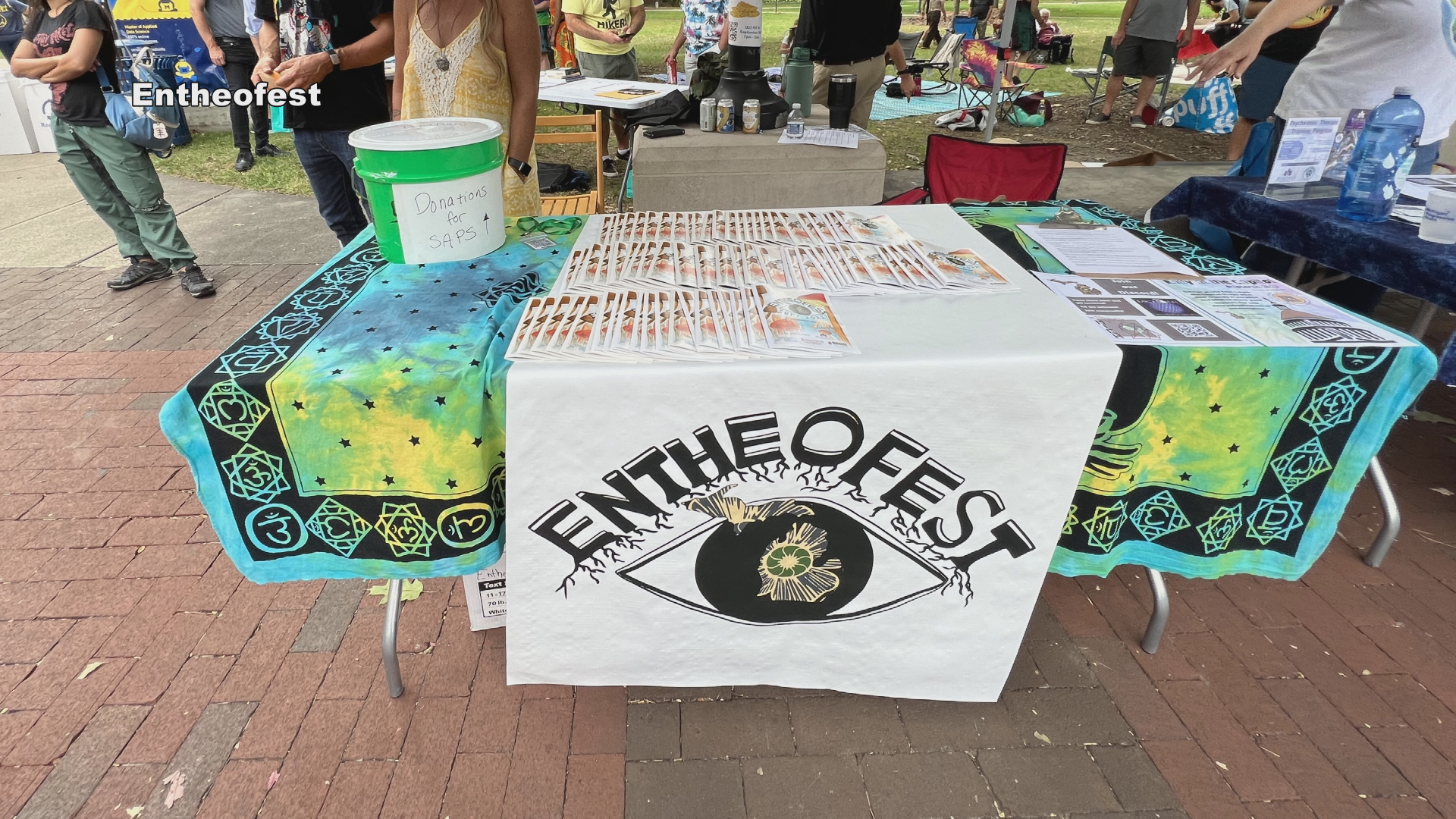
The recent decision by a Michigan court to order the University of Michigan to permit a psychedelics festival on the Diag marks a significant moment in the ongoing debate over campus free speech and public safety. This ruling comes after the Student Association for Psychedelic Studies (SAPS) faced a permit denial for their planned Entheofest 2025 event, with the university arguing that the celebration could promote illicit drug activities and pose a safety risk.
In its opinion, Chief Judge Brock Swartzle emphasized that the constitutional rights to free speech and assembly take precedence over administrative concerns when it comes to limited public forums. By granting a preliminary injunction in favor of SAPS, the court stated that blocking access to the Diag for this event was not reasonable. The decision, however, carries a message that while universities must maintain order and security, broadly curtailing public expression—especially when it involves local cultural issues—is not the way forward.
University Free Speech vs. Campus Safety: Working Through Tricky Parts
The ruling highlights the tricky parts of balancing safety with free speech. Universities have long served as a stage for robust public debates and artistic expression. However, the tangled issues associated with permitting events that celebrate substances deemed controversial have made campus administrations increasingly cautious. While the university’s concerns about safety are not entirely unwarranted, the court’s opinion insists that administrative policies should not override constitutional rights.
One of the critical points raised was the distinction between preventing an event out of public safety considerations and imposing overly restrictive measures that could silence dissent or innovative ideas. The university compared Entheofest 2025 to past events like Hash Bash, yet the opinion indicates that the scale and nature of the events do not justify different treatment when it comes to ensuring a safe environment for free expression.
Psychedelic Celebrations and Constitutional Rights: A Closer Look
The ruling invites us to get into the fine points of constitutional protections, especially as they relate to local decriminalization themes. As the local environment evolves—reflected in recent decisions that decriminalized psilocybin use—the court recognized the importance of having public forums that foster debate and cultural celebrations. The Diag, in this context, serves not only as a physical space but also as an emblem of free expression where ideas, even those considered off-putting by some, can be aired.
Judge Swartzle pointed out that the university’s attempt to bar the event over security concerns was based on fear generated by prior incidents at a different rally involving cannabis reform. He argued that this approach was overly cautious and did not consider the university’s capacity to figure a path through potential safety issues. In essence, the court insisted that the event was manageable, and that stifling free speech should not be the default response.
College Campus Policy: Sorting Out the Issues on Psychedelics and Illicit Substances
The case also opens up vital dialogue about how colleges and universities craft policies around drug use and controversial cultural events. When administrators attempt to impose blanket bans on events because they celebrate substances that are not yet fully legalized or are socially contentious, it raises a number of complicated pieces, particularly the twists and turns that intersect safety and constitutional rights.
It is clear that university policies must be refined to accommodate evolving social norms and changing legal landscapes. In the case of Entheofest 2025, the university’s reluctance to permit the festival based on generalized security concerns failed to address the specific safety protocols that could be put into place. Instead of an outright ban, the court is steering the institution toward a collaborative approach where security measures are jointly developed with event organizers. This method not only respects free speech but also addresses the intimidating realities posed by large public gatherings.
Interplay Between Campus Free Expression and Evolving Drug Policies
The Michigan ruling is just one chapter in a larger narrative of campus free speech. Universities across the country are now reexamining how to balance the right to peaceful assembly with the need to protect student safety. By working through the confusing bits of policy, institutions can create spaces where controversial topics—from psychedelic use to the celebration of cultural shifts—are discussed openly without compromising order.
This development comes at a time when campus communities feel even more empowered to take a stand on issues that resonate with their experiences and values. The challenge, however, lies in the oversight and enforcement of safety measures without diluting the spirit of open debate. The case of Entheofest 2025 may well serve as a model for other schools grappling with similar legal and public relations dilemmas.
Comparing Campus Events: A Tale of Two Celebrations
A comparative look at Entheofest 2025 and traditional events like Hash Bash reveals not only differences in scale but also in the nature of the celebrations. The court’s opinion noted that while both events center on the celebration of substances outside traditional norms, the dynamics of each are dramatically different. This comparison underscores the importance of tailored security planning that reflects each event’s unique profile.
To illustrate, consider the following bulleted list summarizing key differences between the two campus events:
- Scale: Hash Bash typically attracts considerably larger crowds in well-established environments, whereas Entheofest 2025 is projected to be a more intimate engagement.
- Focus: While Hash Bash is steeped in political activism and history, Entheofest 2025 aims to celebrate local decriminalization and cultural shifts in the context of psychedelics.
- Security Needs: The university’s concerns for Hash Bash are based on past incidents, whereas the planning for Entheofest involves modern strategies that can be robustly implemented in collaboration with local security teams.
Such a list helps to clarify that while both events share common ground in terms of subject matter, the logistical demands and cultural contexts are not one-size-fits-all. Universities must steer through these subtle details to create policies that are both inclusive and effective.
Psychedelics and the First Amendment: Legal Perspectives and Future Impacts
Providing a forum for open discussion about psychedelics has broader implications beyond the boundaries of campus life. By protecting the right to gather and express ideas about substances that society has long stigmatized, the court’s decision sends a powerful message about the role of the First Amendment in shaping cultural dialogues. This ruling is deeply intertwined with the principle that government institutions, including public universities, must guarantee a space for public discourse, even when the subject matter is on edge in terms of public opinion.
The ruling invites legal experts and academics to take a closer look at the role of constitutional rights in an era characterized by shifting attitudes toward drug legalization. As more jurisdictions move to relax prohibitions on substances such as psilocybin, campus events become a testing ground for how constitutional principles adapt to new social norms. The balancing act between security and free expression will remain a topic loaded with issues for both legal scholars and practicing administrators.
Understanding the Substitution Effect: Cannabis Legalization and Its Ripple Effects
Beyond the boundaries of campus debates, other aspects of drug policy are also generating discussion. A recent Canadian study has drawn attention to the substitution effect as it relates to cannabis legalization. The study found that after the legalization of non-medical cannabis, beer sales experienced a significant drop—a phenomenon that raises intriguing questions about consumer behavior and market dynamics in the wake of evolving drug policies.
The study noted that while sales of canned and kegged beer declined, bottled beer did not see a corresponding reduction. This discrepancy is interesting as it hints at complex consumer preferences and the possibility that the context of consumption—whether at home or in social settings—plays a role in determining purchasing patterns. The research team speculated that individuals might be choosing marijuana over beer, suggesting that as cannabis becomes more accessible, traditional alcohol consumption patterns begin to shift.
To further illustrate these trends, consider the table below, which summarizes key points from the study:
| Parameter | Pre-Legalization | Post-Legalization |
|---|---|---|
| Beer Sales Drop (per 100,000 population) | N/A | 96 hectoliters immediately after legalization, plus 4 hectoliters each month thereafter |
| Type of Beer Affected | All types | Canned and kegged beer showed declines; bottled beer remained stable |
| Market Impact | Traditional alcohol market dominance | Marijuana sales emerging as a serious competitor |
This table helps to break down the fine shades of information related to the study, providing clear evidence that as policies around marijuana evolve, so too do the consumption patterns of other substances, such as alcohol.
Adapting Public Policy and Campus Strategies in a Changing Landscape
The intertwined stories of campus free speech battles and market shifts in substance consumption offer a wealth of lessons for lawmakers and administrators alike. When universities decide how to steward public spaces, especially in an age of rapid cultural transformation, they must take into account these delicate differences. They need to work through the complicated pieces of policy and public perception to craft approaches that support public safety without compromising the essence of free discourse.
Some key recommendations for policymakers and university administrators include:
- Collaborative Security Planning: Instead of imposing blanket bans, institutions should partner with event organizers to design tailored security measures that address specific concerns.
- Regular Policy Reviews: University policies should be revisited periodically to ensure they align with current social norms and constitutional requirements.
- Open Dialogue: Encouraging transparent conversations among students, faculty, and administration can help identify and resolve the subtle parts of policy conflicts.
- Empirical Data Use: Decisions should be based on concrete data and studies—like the Canadian beer sales research—to better understand the broader impacts of drug policy changes.
These recommendations underscore the need for a balanced approach, ensuring that the rights of individuals and the safety of the community are both recognized and safeguarded.
Challenges and Opportunities in Shaping Future Campus Events
As universities adjust to this evolving landscape, the road ahead may appear both intimidating and exciting. Administrators face off-putting challenges when trying to predict and manage the unpredictable dynamics of large-scale campus events. Yet, these challenges also present a unique opportunity: by finding your way through these tricky parts, academic institutions can set a new precedent in fostering environments that celebrate individual rights while prioritizing collective safety.
The decision to allow Entheofest 2025 is a case in point. Instead of shunning an event that celebrates local drug policy reforms, the court has nudged the university toward a model of shared responsibility. By working together to devise effective security protocols, both the student group and the administration can ensure that the event is a success—not only as a cultural celebration but also as an embodiment of constitutional freedoms.
Implications of the Ruling for Broader Drug Policy Debates
When examining the effects of the court’s decision, it is important to consider the broader implications for drug policy reform in the United States. The ruling takes on particular significance as state legislatures and the federal government grapple with evolving stances on substances such as marijuana and psychedelics. By underscoring that protection of free expression is paramount, the decision sends a clear signal to policymakers: any restrictions on cultural gatherings should be backed by solid evidence rather than generalized fears.
This sentiment resonates in other areas of drug policy too. For instance, while state-level initiatives have increasingly supported the legalization and decriminalization of various substances, some resistance remains rooted in concerns over public safety and public health. As these issues intersect, legal decisions like this one remind us that a careful balance must be struck—one that allows for progressive change without sacrificing the protective measures that ensure community well-being.
Looking Ahead: Charting a Course for Campus Freedom and Public Health
The Michigan court’s ruling is not an isolated event but part of an ongoing narrative that blends free speech, cultural expression, and smart safety protocols. As we look toward the future, several key areas require attention from both legal experts and campus administrators:
- Policy Modernization: Universities must update existing policies to reflect the changing social context, ensuring that restrictions are based on clear, data-backed risk assessments rather than outdated fears.
- Collaborative Governance: Greater collaboration between student groups, campus security, and local law enforcement will be essential to create event-specific plans that cover any nerve-racking security concerns.
- Enhanced Legal Frameworks: Further legal clarifications may be needed at various levels of government to support the rights of individuals and protect public spaces earmarked for expressive activities.
- Community Engagement: Engaging the broader campus community in discussions about safety, rights, and responsibilities can lead to more inclusive and sustainable policy decisions.
Each of these points represents not only a solution to current problems but also a stepping stone toward a more open and free academic environment. By integrating these key ideas, educational institutions can set a standard that respects both personal liberty and public safety.
The Role of Judicial Oversight in Shaping Public Discourse
Judicial decisions like the one in Michigan play a super important role in defining the parameters of public discourse. As this ruling demonstrates, the courts can serve as a check on administrative overreach, ensuring that the prioritization of constitutional rights does not fall by the wayside in the face of evolving social challenges. It is a reminder that even in areas loaded with issues—where policy complexities might seem overwhelming—there is an essential role for legal oversight.
The court’s balancing act, as it worked through the complicated pieces of ensuring safety while protecting free speech, offers an instructive blueprint for future cases. This approach not only protects current rights but also contributes to establishing clearer legal precedents. These precedents are likely to guide administrators and lawmakers as they make decisions in an environment that is both dynamic and full of unexpected twists and turns.
An Emerging Model for Collaborative Event Management
One of the positive outcomes emerging from this case is the notion of collaborative management of campus events. Instead of framing safety concerns as reasons to cancel or heavily restrict events, the decision paves the way for a coordinated approach. This model involves multiple stakeholders working together to address intimidating security issues and ensure that all participants can enjoy their right to free speech and public assembly.
Key components of this model include:
- Joint Security Committees: Establish committees that include representatives from student groups, campus security, and local law enforcement to assess risks specific to each event.
- Clear Communication Channels: Develop transparent guidelines so that all participants understand the safety protocols in place and the roles they each play during events.
- Adaptive Policies: Create flexible policies that can be adjusted based on empirical data and feedback from previous events, ensuring that they remain effective under changing circumstances.
This approach not only minimizes the nerve-racking aspects of event management but also reinforces the idea that freedom of expression and public safety are not mutually exclusive. When stakeholders learn to work together, the resulting framework can serve as a model for other institutions facing similar challenges.
Public Reaction and Future Outlook on Drug Policy Reforms
The decision to grant Entheofest 2025 the necessary permit is likely to ripple outwards, contributing to debates not just on campus but in broader political and cultural circles. There is an emerging consensus that cultural expressions involving psychedelics, despite being full of problems in terms of public perception, deserve a reconsideration under modern legal standards. The case has sparked discussions at various levels—from local government meetings to national policy forums—about how to balance progressive change with necessary safety measures.
Looking ahead, several trends are expected to shape the public debate:
- Legislative Adjustments: As more states and countries modernize their drug policies, laws will need to be reexamined and updated to align with current cultural norms.
- Increased Judicial Activism: Courts may continue to play a pivotal role in resolving disputes where administrative decisions clash with constitutional rights.
- Shifts in Consumer Behavior: Parallel studies, such as those focusing on cannabis legalization and its impact on alcohol sales, may influence future regulatory decisions by highlighting broader societal shifts.
- Enhanced Campus Engagement: Students and faculty alike will likely push for more open forums that facilitate dialogue on contentious topics, reinforcing the campus as a crucible for cultural evolution.
These trends signal that the issues at stake are not isolated. They represent a cross-section of ongoing debates about individual freedom, societal safety, and the role of government in regulating cultural phenomena. Hence, stakeholders on all sides must prepare to steer through the subtle parts and hidden complexities that come with these shifting dynamics.
Conclusion: A Forward-Looking Vision on Campus Freedom
In conclusion, the Michigan court’s decision to allow Entheofest 2025 on the Diag is more than just a single legal ruling—it is a milestone in the evolving dialogue on free speech, cultural expression, and public safety in academic settings. The ruling affirms that university campuses are indispensable venues for open discourse and the exploration of new ideas, even those that many might view as intimidating or off-putting.
By addressing the complicated pieces of the permit denial case, the courts have sent a message that personal freedom and constitutional rights must be protected, even amid challenging security concerns. This landmark decision could very well serve as a catalyst for future policy reforms and a model for how institutions manage potentially nerve-racking events without compromising free expression.
As campuses across the nation and around the world continue to balance evolving cultural norms with the need for safety, it is imperative for stakeholders to work collaboratively, reexamine existing policies, and embrace new models of governance. Practical solutions—grounded in legal oversight, empirical research, and active community engagement—can transform these tense debates into opportunities for progressive change.
This case reminds us that forward-thinking leadership on college campuses can pave the way for a more open, inclusive, and safe environment for everyone. The road ahead may be full of twists and turns, but with effective collaboration and a commitment to upholding constitutional rights, the future of campus free speech looks bright.
Originally Post From https://www.marijuanamoment.net/michigan-court-orders-university-to-allow-psychedelics-festival-ruling-that-permit-denial-was-unconstitutional/
Read more about this topic at
The United States Supreme Court Holds That the Denial of ...
US Supreme Court Declares Denial of Permit an ...


0 Comments