Reckless Roads: The Legal and Social Implications of DUI-Related Crashes in Phoenix
The case of a truck driver suspected of driving under the influence, resulting in a fatal collision with a dirt bike in Phoenix, raises serious questions about responsibility, enforcement, and public safety. With a community already on edge by the daily challenges of unpredictable traffic and extreme weather, incidents like this force lawmakers, law enforcement, and citizens alike to take a closer look at the many tangled issues behind roadside tragedies.
As a legal observer and commentator, I find that such events prompt us to examine not only the fine points of DUI laws and highway safety regulations but also the broader social and economic factors that contribute to these accidents. In this opinion editorial, we will dig into the case’s details, explore the legal framework around DUI incidents, and consider the broader impact on communities in Phoenix and beyond. We will also review several critical but sometimes confusing bits about evidence collection, legal processing, and the responsibilities of drivers—letting us figure a path through an often intimidating legal system.
Understanding the Incident: What Really Happened?
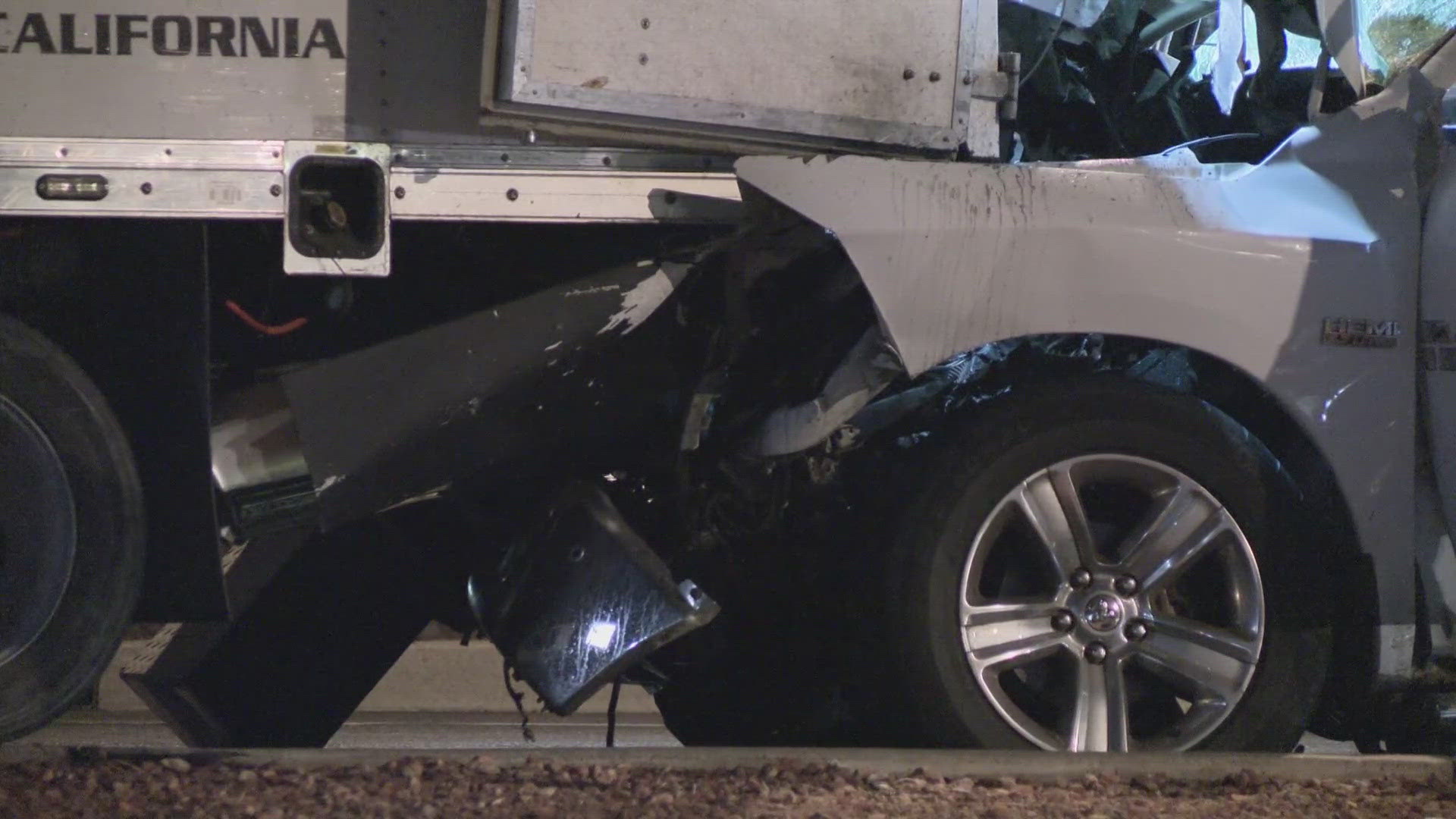
The collision occurred on a recent evening when a truck, turning left into a private drive, collided with a dirt bike traveling south on 16th Street in south Phoenix. According to police, while the dirt bike driver did not display signs of impairment, the truck driver was processed for driving under the influence. With one fatality—a 19-year-old who succumbed to her injuries—and another person sustaining non–life-threatening injuries, the situation is a stark reminder of the dangerous twists and turns that can occur when a driver makes irresponsible choices.
This incident is not only a tragic loss of life but also a reflection of the broader legal and societal challenges we face. From the confusing bits of evidence collection at the scene to the tangled investigative questions that arise afterwards, a closer look is necessary to understand both the legal ramifications and the social responsibilities of every driver on our roads.
Evaluating Evidence: The Legal Process in DUI Cases
When law enforcement officers suspect impairment on the part of a driver, several steps must be followed. These include field sobriety tests, breathalyzer or blood tests, and an evaluation of the driver's behavior. In this case, as officers responded to a call near 16th Street and Southern Avenue, the various pieces of evidence—such as observations of driver conduct and physical evidence at the scene—were crucial in prompting DUI charges.
The legal process is often full of problems and riddled with tension due to the many fine details that must be considered. The investigation into this tragic collision has highlighted several of these complicated pieces:
- Evidence Collection: Gathering the nitty-gritty details at the scene, such as skid marks and eyewitness accounts, is essential yet challenging.
- Testing Procedures: Determining a driver’s blood alcohol level and ensuring that the tests are administered fairly can be nerve-racking.
- Legal Representation: For both parties involved, the process can be overwhelming as attorneys sort out how each piece of evidence aligns with current DUI laws.
These aspects, while full of problems, are critical in ensuring that justice is served. The investigation is still ongoing; however, the preliminary determination that the truck driver may have been impaired underscores the need for careful, detailed inquiry at every stage.
Legal Consequences and the Burden of Responsibility
From a legal standpoint, DUI incidents carry severe consequences. In Arizona, DUI laws are strict, and the penalties can include hefty fines, license suspensions, or even jail time, especially when the driving under the influence results in injury or death. This fatal collision is a prime example of how a single moment of impaired judgment can have far-reaching, irreversible consequences.
It is critical for the legal community, as well as the public, to understand that while the driver’s actions may appear to be a singular lapse in judgment, they are part of a larger framework designed to protect society. The case highlights several of the following key issues:
- Deterrence: Strict DUI penalties are meant to serve as a deterrent for all drivers. When individuals see the legal consequences in action, it reinforces the message that impaired driving will not be tolerated.
- Accountability: Every driver is responsible for not only their own safety but also the safety of everyone else on the road. This accountability is a cornerstone of DUI laws and public policy.
- Justice for Victims: For the families affected by these tragic accidents, ensuring that responsible parties are held accountable is super important in providing some measure of closure.
In this particular incident, even though the dirt bike driver was not impaired, the fact that a truck driver’s alleged DUI led to a collision is a powerful reminder that the actions of one individual can have deadly repercussions for others. This sad event forces us all to confront the reality that every driver must act with full awareness of the risks their behaviors pose.
Community Safety and Public Policy: Balancing Enforcement with Education
Beyond the courtroom and police blotter, the broader community feels the impact of DUI-related incidents like this one. Public policy must balance rigorous legal enforcement of DUI laws with broad-based public education campaigns that emphasize the dangers of impaired driving.
The Phoenix metropolitan area, which has experienced its share of severe weather events and other public safety challenges, must now also tackle the issue of ensuring that its roadways remain safe. A multi-faceted approach is both necessary and strategic:
- Enhanced Patrols: Increasing the presence of law enforcement on highways at critical times can help to deter reckless behavior.
- Public Service Announcements: Clear, consistent messaging about the dangers of DUI is needed to educate drivers at all times.
- Community Engagement: Workshops and seminars can help residents understand the legal responsibilities and the human costs tied to impaired driving.
It is essential for public officials to take a balanced approach—one that is firm in upholding the law yet empathetic to the challenges that communities face in environments that are often full of challenges. The success of these measures often depends on the collaboration of law enforcement agencies, local government agencies, and community groups who work through the confusing bits of policy and execution together.
Weighing the Role of Evidence in Conflict Resolution
One of the more understated yet critical elements in cases like these is the role of evidence—not just in determining culpability but as a tool for refining safety measures in the future. Evidence collected at the scene of the collision is used in two monumental ways:
- Determining Fault: Precise details, such as the positioning of vehicles, yield insight into exactly how the sequence of events unfolded. This helps in assigning legal responsibility.
- Enhancing Road Safety Measures: Analyzing patterns from similar incidents can help city planners and law enforcement agencies make adjustments that reduce the likelihood of future accidents.
The fine shades that separate a simple traffic mishap from a criminal act are often revealed through forensic analysis. Tables summarizing evidence often include data such as speed estimates, blood alcohol concentration (BAC) levels, weather conditions, and road conditions. For example, consider the sample data table below:
| Parameter | Observed Value | Legal Threshold/Standard |
|---|---|---|
| Driver BAC | Above 0.08% | 0.08% or lower |
| Speed at Impact | Variable – under investigation | Within posted limits |
| Traffic Signal Compliance | Taken into account | Must comply at all times |
| Road Conditions | Wet and slippery | Safe for travel |
This table is a simplified example that illustrates how legal authorities sort out the fine points of each case to gain clarity. Even with such detailed data, the overall narrative—often full of problems and slight differences—requires experienced legal minds to interpret.
The Human Element: Grief, Guilt, and the Search for Transparency
Beyond the legal jargon and statistical analysis, the core of the matter is profoundly human. Families lose loved ones, and communities must grapple with the pervasive impact of tragedy. The grief experienced by the family of the 19-year-old victim in Phoenix is a stark reminder of how every decision on the road carries a human cost.
From the perspective of witnesses and community members, there is often a call for greater transparency in how investigations are conducted and how safety initiatives are implemented in the aftermath of such incidents. For many, the legal system can seem intimidating or downright off-putting, and the process can appear laden with delays and hidden complexities.
Some of the key ways to help the community cope include:
- Open Communication: Regular updates from law enforcement help to build trust and reduce uncertainty.
- Victim Support Services: Counseling and community support groups can assist families in coping with their loss.
- Legal Workshops: Public forums where legal experts explain the steps of investigations and what community members can do to help ensure road safety.
Working through these challenging circumstances is never easy. However, by encouraging a spirit of compassion and understanding, many believe that communities can make their way toward healing. Such measures also play a role in shaping future policies that aim to reduce the number of such nerve-racking incidents.
Impact on Legislation and Policy Reform
The repercussions of high-profile DUI cases like this one extend far into the realm of legislation and policy reform. Lawmakers who see the tangible effects of impaired driving must consider how current laws can be improved or better enforced. In the Phoenix area, where extreme heat and growing traffic are increasingly common, policy changes have become super important.
Recent discussions among Arizona legislators focus on several key areas that include:
- Stricter Penalties: Advocates argue that harsher punishment acts as a deterrent to potential offenders and emphasizes the life-altering consequences of irresponsible behavior.
- Technology Integration: The use of ignition interlock devices for offenders and improved roadside testing methods are being considered to reduce human error in assessments.
- Public Awareness Campaigns: Implementing educational programs targeted at young drivers and repeat offenders, ensuring that the message about the dangers of DUI is both clear and memorable.
Legislators must also take into account the practical aspects involved in these reforms. Balancing the safety needs of the general public with the rights of individuals is always loaded with challenges. Nevertheless, it is clear that for communities to reap long-term benefits, policy shifts must be tackled head-on, with law enforcement agencies working in close collaboration with policy experts and community leaders.
The Role of Media and Public Opinion in Shaping Legal Norms
Media outlets play a crucial role in framing public opinion and raising awareness about incidents that affect everyday life. In cases like the Phoenix collision, news reporting and opinion editorials help shine a light on the twisted issues present in our legal system. Responsible media coverage is essential for several reasons:
- Informing the Public: News articles provide the factual groundwork needed for citizens to understand the legal process and the impact of a DUI incident.
- Promoting Accountability: By holding drivers and authorities accountable through in-depth reporting, media can drive home the message that no lapse in judgment is without consequence.
- Encouraging Reform: Highlighted stories often serve as catalysts for legislative change and improved enforcement practices.
However, media coverage must balance the need for clear, accurate reporting with sensitivity towards victims and those affected by the tragedy. The myriad twists and turns of a case such as this should not be sensationalized but rather presented in a manner that respects the human cost involved while emphasizing the need for legal clarity and robust law enforcement.
Legal Challenges in Proving DUI: The Importance of a Fair Process
Despite the clarity of laws on paper, proving impairment in court is often one of the most challenging aspects of DUI cases. Prosecutors must work through several nerve-racking tasks in order to build a case that is both legally sound and beyond a reasonable doubt. These challenges include:
- Test Reliability: Questions often arise regarding the calibration and administration of breathalyzer tests. In some cases, devices might not function correctly due to environmental factors or mechanical failure.
- Observational Evidence: The subjective nature of field sobriety tests can lead to debate, particularly when factors unrelated to alcohol consumption (like medical conditions) may influence the results.
- Chain of Custody Issues: Ensuring that all evidence is safeguarded from the moment of collection to the courtroom is critical, yet filled with tricky parts that must be mindfully managed.
In a city where the weather, road conditions, and other external factors often add layers of complexity to an investigation, legal professionals must find their way around these challenges carefully. The legal process must be transparent, ensuring that both the rights of the accused and the interests of public safety are preserved. While it might seem overwhelming, the integrity of the judicial system depends on these detailed, methodical practices.
Driving Safety in Phoenix: Trends and Future Considerations
Phoenix has witnessed rapid changes in its traffic patterns and roadway dynamics over the past few years. Catalyzed by economic growth, extreme weather events, and demographic shifts, the landscape of public safety is constantly evolving. Within this context, DUI cases serve as a stark indicator of underlying issues. Several trends have emerged that warrant a closer look:
- Increased Traffic Density: More vehicles on the road create conditions that are prone to accidents, especially when drivers do not adhere to safety protocols.
- Changing Drinking Patterns: New social norms and generational shifts have altered drinking and driving behaviors, potentially leading to more instances where individuals drive when impaired.
- Legal Reforms and Enforcement: Recent legislative changes have aimed to clamp down on DUI cases, though community support and understanding remain critical for their success.
If we are to reduce the incidence of DUI-related accidents in a city like Phoenix, a holistic approach is needed—one that integrates stricter law enforcement with community-oriented strategies. Key future considerations include:
- Smart Road Technologies: Innovations such as real-time traffic monitoring and improved signal systems may help manage congestion and reduce the risk of collisions.
- Driver Education Programs: Ongoing efforts in schools and through community outreach can impart key lessons about the risks of impaired driving—lessons that consider the subtle details of safe behavior both on and off the road.
- Enhanced Support for Victims: As communities cope with the aftermath of tragic incidents, the development of better support networks and restorative justice initiatives is key.
Ultimately, the experience of Phoenix underscores that safety on the roads is not the result of one single policy or enforcement effort—it is a shared responsibility. By taking a holistic view of the issue, law enforcement and policymakers can work together to reduce the number of accidents and ensure that every driver acts responsibly.
The Economic and Social Costs of DUI-Related Accidents
Beyond the immediate pain of tragic accidents lies a multitude of economic and social costs that ripple through communities. From medical bills and funeral expenses to a generalized sense of fear on the roads, the burden of DUI incidents is heavy and far reaching. The costs can be grouped into several categories:
- Medical Costs: Emergency care, rehabilitation, and long-term healthcare for those injured in collisions all contribute to significant financial strains on families and local hospitals.
- Legal Expenses: The prolonged legal processes involving court fees, attorney costs, and other legal expenditures add further strain on public resources and personal finances alike.
- Insurance Premium Increases: Victims and perpetrators alike may face higher insurance costs following a DUI incident, affecting their financial stability for years to come.
- Emotional Costs: The grief and emotional trauma experienced by victims’ families can lead to long-term social disruption and mental health challenges.
What is particularly important is that these economic and social burdens are intertwined. Rehabilitation programs that include financial counseling, mental health support, and community outreach are essential in helping affected families recover from the trauma. Local policymakers must consider these broader implications when drafting reforms aimed at reducing DUI-related incidents.
Learning from the Past to Build a Safer Future
The tragic incident in Phoenix should be seen as both a wake-up call and a learning opportunity for our entire legal and social system. By examining the fine twists and turns of what happened, community leaders can make changes that prevent similar occurrences in the future. Here are several key lessons that can be drawn from recent events:
- Importance of Early Intervention: Effective public awareness campaigns and stricter enforcement techniques may prevent impaired driving long before accidents occur.
- Need for Technological Advancements: Investments in road safety technologies, such as advanced breathalyzers and real-time monitoring, stand to reduce the number of future DUI incidents considerably.
- Community and Legal Collaboration: A cooperative approach that brings together law enforcement, legal professionals, community leaders, and even media representatives is essential in forging a safer road environment.
- Data-Driven Policies: Policies should be informed by reliable data collected from accident scenes and ongoing research into DUI patterns. Only then can we genuinely address the root causes and mitigate the risks for all road users.
In many ways, learning from past mistakes is the most effective strategy to steer through future challenges. For law enforcement and legal officials, this means taking a closer look at current procedures, aligning enforcement methods with new technologies, and ensuring that the community’s voice is heard in legislative forums.
Charting a Course for Change: Collaborative Steps Forward
The responsibility for a safer future does not lie with a single group or institution—it rests with everyone involved, from policymakers to everyday citizens. In charting a course for tangible change, several collaborative actions can be taken:
- Establishing Multidisciplinary Task Forces: These groups can be composed of legal experts, law enforcement officers, community advocates, and even technology specialists to propose and implement effective safety measures.
- Funding Research and Technology: Local governments should allocate resources for researching new traffic management technologies and better DUI testing equipment. This investment is not only an investment in public safety but also in the economic resilience of our communities.
- Improving Legal Education and Public Workshops: Informing the public about the legal consequences of DUI and how to contribute to safer roads can transform attitudes and behaviors. Workshops that explain the small distinctions between safe and unsafe driving practices are especially useful.
- Enhancing Transparency in Investigations: When law enforcement and prosecutors keep the community informed about case progress and policy implementations, public trust tends to strengthen.
A collaborative approach such as this helps to strip away the intimidating layers of bureaucracy that can often leave victims and citizens feeling isolated. Instead, by taking concrete steps together, everyone can help make the roads safer for their families and neighbors.
Conclusion: A Call for Responsible Action and Legal Integrity
In summary, the fatal collision in Phoenix is a tragic example of how a single act of impaired driving can bring about a cascade of legal, economic, and social repercussions. It is a reminder that every driver must be aware of the responsibility they bear not only for their own safety but also for the well-being of those around them. The case highlights several essential points:
- The importance of a transparent and thorough legal process in DUI cases.
- The role of evidence in determining fault and helping to fine-tune public safety measures.
- The need for community and legislative efforts to strike a balance between punishment and prevention.
- The genuine human cost that underlies every statistic in DUI-related incidents.
As we continue to work through the confusing bits of our legal system and the overlapping responsibilities of penalties and public safety measures, it is clear that progress will require a collective dedication to change. Law enforcement, lawmakers, and community members alike need to take a closer look at the myriad of issues that contribute to impaired driving. Only by acknowledging these hidden complexities can we steer through the challenges that lie ahead.
Our roads are the lifeblood of our cities, yet they are often loaded with problems that demand a well-coordinated response. In Phoenix and across the country, we need to find your way through the nerve-racking labyrinth of today’s driving conditions with empathy, accountability, and a commitment to reform. Every life affected by a DUI incident reminds us that the stakes are incredibly high, and that the pursuit of justice must always be accompanied by an unwavering dedication to public safety.
Ultimately, the incident is more than just an isolated occurrence—it's a call to action. It is an opportunity for all involved to reassess current practices, implement better preventive measures, and build a future where every driver makes choices that protect both their own lives and the lives of others. The legal system, in all its complicated pieces and fine shades, must continuously evolve to meet these challenges head-on. Let us then commit, as a society, to a safer, more responsible future on our roads.
Originally Post From https://ktar.com/arizona-news/dirt-bike-collision-phoenix/5721869/
Read more about this topic at
Drunk Driving | Statistics and Resources
3 children killed in two-vehicle crash; driver arrested for ...


0 Comments